




How to Choose the Perfect Camp Knife: A Complete Guide
When heading into the wilderness, few tools are as essential as a reliable camp knife. Whether you're splitting kindling, preparing food, carving tent stakes, or handling unexpected tasks, the right camp knife can make the difference between a smooth outdoor experience and a frustrating one. But with so many options available, how do you choose? This guide will walk you through the key considerations for selecting the ideal camp knife.
Fixed Blade vs. Folding: The First Decision
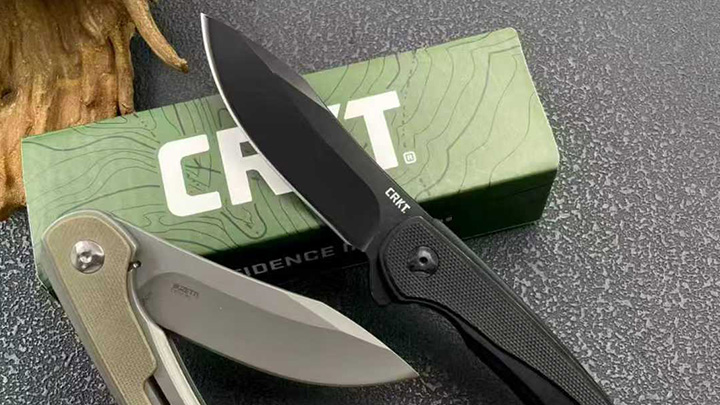
For camp use, fixed blade knives are almost always the better choice. Unlike folding knives, fixed blades have no moving parts that can fail under stress. They offer superior strength, are easier to clean, and can handle heavy-duty tasks like batoning wood without risk of the lock failing.
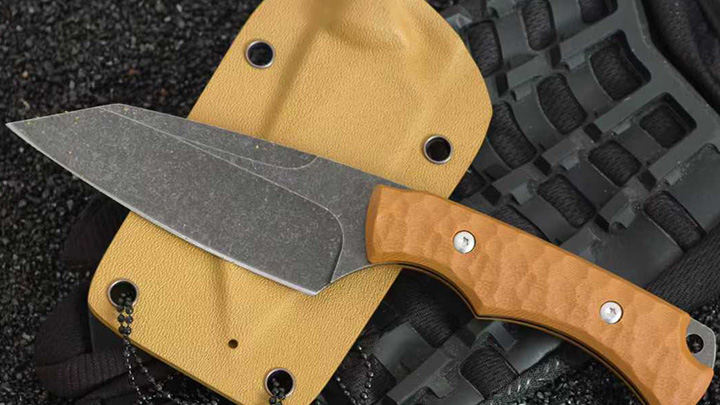
While a folding knife can serve as a backup or for light camp chores, your primary camp knife should be a fixed blade with a full tang construction — meaning the steel runs continuously from tip to butt, providing maximum durability.
Blade Length: Finding the Sweet Spot
Camp knives typically range from 3.5 to 7 inches in blade length. The ideal length depends on your intended use:
- 3.5–4.5 inches: Excellent for detailed tasks like food preparation, carving, and general camp chores. These smaller knives are lightweight and precise.
- 4.5–6 inches: The most versatile range. Long enough for light chopping and splitting small wood, yet still controllable for finer work.
- 6–7 inches: Better suited for heavier chopping and processing larger pieces of wood. These knives often verge into the territory of small choppers or machetes.
For most campers, a blade between 4 and 5.5 inches offers the best balance of versatility and portability.
Blade Shape: Form Follows Function
Different blade shapes excel at different camp tasks:
- Drop Point: The most versatile all-around shape. The strong, thick tip handles prying and heavy work while the curved belly is excellent for slicing.
- Scandinavian (Scandi) Grind: A favorite among bushcrafters. The flat, single-bevel grind makes wood carving and feather sticking exceptionally easy.
- Clip Point: Offers a fine, sharp tip for detailed work but sacrifices some tip strength.
- Spear Point: Symmetrical and balanced, good for general tasks but less common in dedicated camp knives.
If you primarily do woodcraft and carving, a Scandi grind is hard to beat. For general camp use, a drop point with a flat or convex grind offers excellent versatility.
Steel Selection: Toughness and Ease of Maintenance
Camp knives face different demands than urban EDC knives. In the outdoors, toughness (resistance to chipping and breaking) and ease of sharpening often take priority over extreme edge retention.
Carbon Steels
Steels like 1095 carbon steel remain favorites among outdoor enthusiasts. While they require maintenance to prevent rust, they offer exceptional toughness, can take a razor-sharp edge, and are easy to sharpen in the field with simple stones. For many campers, the slight maintenance trade-off is worth the performance benefits.
Stainless Steels
If you camp in humid environments or near saltwater, stainless steels are more practical:
- 14C28N: Excellent toughness and corrosion resistance, easy to sharpen
- VG-10: Good all-around performance with decent corrosion resistance
- CPM-S30V: Premium option with excellent edge retention and corrosion resistance
Tool Steels
Steels like CPM-3V offer outstanding toughness with good edge retention, making them ideal for hard-use camp knives, though they come at a premium price point.
Handle Materials: Comfort and Grip
Your camp knife handle must provide secure grip in wet, cold, or muddy conditions. Common handle materials include:
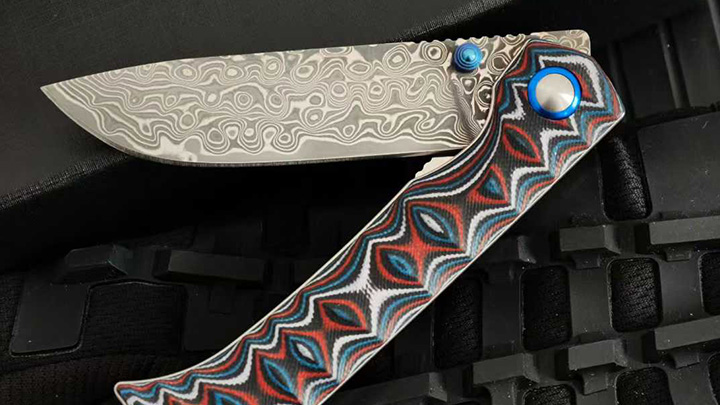
- Micarta: A composite material made from layers of fabric or paper with resin. It offers excellent grip when wet, is durable, and has a classic look.
- G10: A fiberglass-based composite that is tough, resistant to moisture, and provides good texture.
- Rubber/TPE: Provides exceptional grip in wet conditions but may wear over time.
- Wood: Aesthetically pleasing and comfortable, but requires maintenance and can become slippery when wet.
- Full Tang with Exposed Steel: Allows for maximum strength and can be wrapped with paracord for emergency cordage.
Look for handles with ergonomic contours that fill the hand comfortably and include a guard or finger choil to prevent your hand from slipping onto the blade during forceful tasks.
Sheath: Don't Overlook This Essential
A camp knife needs a quality sheath for safe transport and storage. Leather sheaths offer classic looks and quiet carry but can retain moisture. Kydex sheaths are weatherproof, provide secure retention, and allow for multiple mounting options. Consider whether the sheath includes belt loops, MOLLE compatibility, or the ability to attach to a backpack strap.
Weight and Portability
While a camp knife should be substantial enough for heavy work, excessive weight becomes burdensome on long hikes. Most well-designed camp knives weigh between 5 and 10 ounces. If you're backpacking and counting every ounce, lean toward the lighter end with a 4-inch blade. For car camping or base camp use, heavier knives with larger blades offer more capability without the weight concern.
Top Recommendations by Use Case
| Camping Style | Recommended Knife Type |
|---|---|
| Backpacking / Ultralight | 4–4.5" fixed blade, Scandi or flat grind, 5–7 oz |
| Car Camping / Base Camp | 5–6" fixed blade, full tang, drop point or Scandi |
| Bushcraft / Woodcraft | Scandi grind, 1095 or similar carbon steel, comfortable handle for carving |
| General Family Camping | 4.5–5" stainless drop point, easy maintenance, secure sheath |
| Survival / Emergency | 5–6" full tang, thick spine (for batoning), high-toughness steel |
Final Thoughts
Choosing a camp knife is a personal decision that depends on your specific needs and environment. There is no single "best" knife — only the best knife for how you camp. Prioritize a full tang fixed blade with a comfortable handle, choose steel that matches your environment and sharpening capabilities, and select a blade shape suited to your primary tasks.
Remember that skill matters more than gear. A well-chosen camp knife paired with proper technique will serve you for decades. Take care of it, learn to sharpen it, and it will become a trusted companion on countless outdoor adventures.