




Choosing Wood Processing Tools for Camping: A Complete Guide
When camping, few activities are as fundamental as processing wood. Whether you're building a campfire for warmth, cooking a meal, or crafting shelter, having the right tools to split, cut, and shape wood makes the difference between efficiency and frustration. But with axes, saws, knives, and hatchets all competing for space in your pack, how do you choose? This guide breaks down the essential wood processing tools for camping and how to select the right ones for your needs.
Why Dedicated Wood Processing Tools Matter
While a sturdy camp knife can handle light wood tasks, dedicated wood processing tools are designed for efficiency and safety. Processing firewood with a knife alone is time-consuming and increases the risk of injury or tool damage. The right combination of tools allows you to:
- Process firewood quickly and safely
- Conserve energy for other camp activities
- Reduce the risk of tool failure
- Accomplish tasks from splitting logs to carving fine kindling
The Three Essential Categories
Most campers benefit from carrying tools from three categories: saws, axes/hatchets, and knives. Each serves a distinct purpose.
1. Camp Saws: The Backbone of Wood Processing
A quality saw is arguably the most efficient tool for cutting wood to length. Saws excel where axes struggle — making clean, precise cuts with minimal effort and waste.
Folding Saw
The most popular choice for campers. Folding saws offer a balance of portability and cutting capacity.
- Blade Length: 6–10 inches is ideal for most camping needs
- Tooth Pattern: Look for impulse-hardened teeth with a tri-edge or raker design for fast cutting
- Weight: Typically 5–10 ounces
- Best for: Cutting branches, processing firewood to length, clearing trail debris
Top considerations: Choose a saw with a secure locking mechanism and a blade that can be easily replaced. Brands like Silky, Bahco, and Corona offer reliable options with aggressive tooth patterns that cut on the pull stroke for efficiency.
Bow Saw
Traditional bow saws offer larger cutting capacity but are bulkier.
- Blade Length: 12–24 inches
- Advantage: Blades are inexpensive and replaceable; excellent for processing larger logs
- Disadvantage: Less packable than folding saws
- Best for: Car camping, base camps, or winter camping where larger wood is needed
Pocket Chainsaw
A compact alternative that consists of a chain with handles.
- Advantage: Extremely packable
- Disadvantage: Requires more effort and technique than rigid saws
- Best for: Emergency kits or ultralight backpacking
2. Axes and Hatchets: Power for Splitting
While saws cut wood to length, axes and hatchets are designed for splitting and shaping. The right choice depends on your camping style and the size of wood you'll be processing.
Hatchet
A hatchet is the most common axe for camping — compact enough to pack yet capable of splitting small to medium logs.
- Head Weight: 1.25–2 pounds
- Handle Length: 10–14 inches
- Best for: Splitting kindling, limbing branches, light felling
- Pros: Portable, versatile, can be used one-handed
- Cons: Less leverage for larger logs
What to look for: A hatchet with a hardened steel bit, a comfortable handle with a flared end to prevent slipping, and a blade profile suited to splitting (wider cheeks) rather than felling.
Camp Axe
A step up in size, offering more power for larger tasks.
- Head Weight: 2–3 pounds
- Handle Length: 18–24 inches
- Best for: Splitting larger firewood, felling small trees, heavy camp tasks
- Pros: Greater leverage and splitting power
- Cons: Heavier and bulkier to carry
Splitting Maul vs. Axe
For car camping or base camps where you'll process significant firewood, a splitting maul offers maximum efficiency. The heavier wedge-shaped head drives through wood with less effort than a traditional axe.
Steel Type and Handle Material
- Steel: Look for axe heads made from forged steel (not cast). Quality axes use carbon steel that can be sharpened in the field.
- Handle: Wood handles offer shock absorption and classic feel but require maintenance. Fiberglass or composite handles are virtually indestructible and require no care, though they transmit more vibration.
3. Knives for Fine Woodwork
While not a substitute for saws and axes, a quality knife is essential for detailed wood processing tasks.
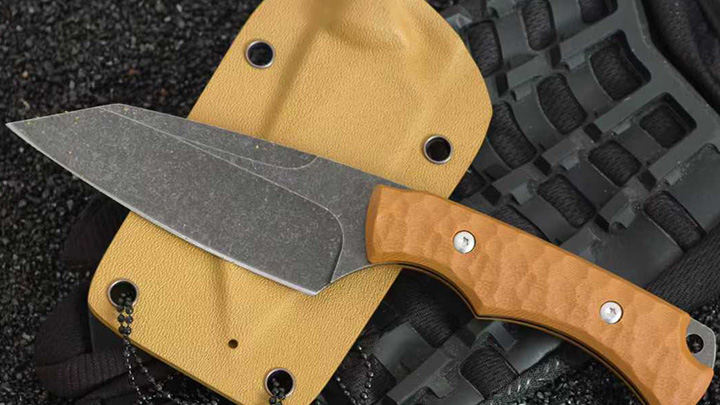
Bushcraft Knife
A dedicated bushcraft knife differs from a general camp knife in its focus on woodcraft.
- Blade Shape: Scandinavian (Scandi) grind is preferred for wood carving, as the flat bevel provides excellent control and makes sharpening simple
- Blade Length: 3.5–5 inches
- Steel: Carbon steels like 1095 are popular for their toughness and ease of sharpening in the field
- Tang: Full tang construction is essential for durability when batoning
Key tasks:
- Feather sticking (creating fine curls for fire starting)
- Carving tent stakes, notches, and traps
- Batoning (splitting small wood by striking the spine with a baton)
- Striking a ferrocerium rod for fire starting
Fixed Blade vs. Folding
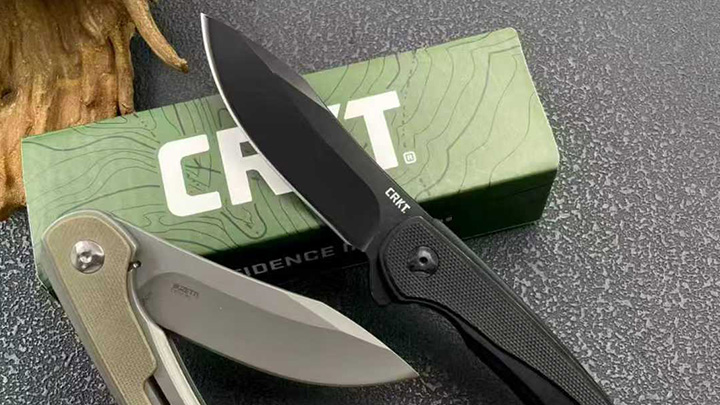
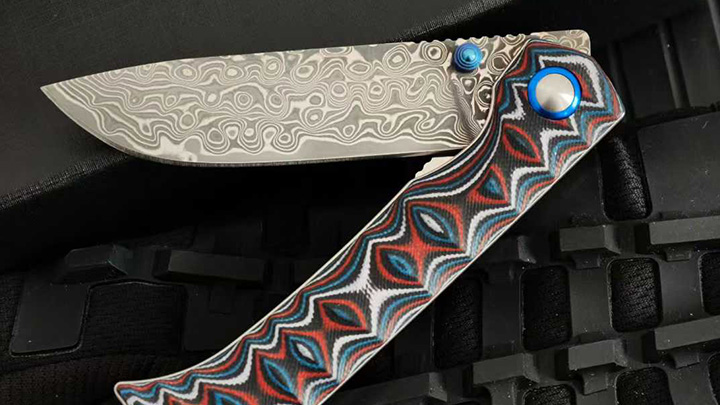
For wood processing, a fixed blade is strongly preferred. Folding knives lack the structural integrity for batoning and can be difficult to clean after sticky pine sap or wet conditions.
4. Specialty Tools for Advanced Needs
Depending on your camping style, additional tools may be worthwhile:
Froe
A froe is a specialized tool with a blade perpendicular to the handle, used for splitting wood along the grain. It's excellent for making shingles, stakes, or processing green wood.
Drawknife
Used for shaping wood by pulling the blade toward you. Ideal for crafting tool handles, spoons, or bow staves.
Multitool with Wood Processing Features
Some multitools include wood saws and awls that can supplement your primary tools for light tasks.
How to Choose Based on Your Camping Style
| Camping Style | Recommended Wood Processing Kit |
|---|---|
| Ultralight Backpacking | Folding saw (6–8"), small fixed blade knife, no axe (rely on gathered deadfall) |
| Weekend Camping | Folding saw (8–10"), hatchet (1.5–2 lb), bushcraft knife |
| Car Camping / Base Camp | Bow saw or larger folding saw, camp axe (2–2.5 lb), splitting wedge if needed, bushcraft knife |
| Winter Camping | Large bow saw, splitting maul or camp axe, full-tang knife for processing frozen wood |
| Bushcraft / Primitive Skills | Folding saw, hatchet, Scandi-grind bushcraft knife, possibly a froe or drawknife |
Safety Considerations
Wood processing tools are inherently dangerous. Follow these safety practices:
- Maintain sharp tools: Sharp tools are safer than dull ones — they require less force and are more predictable
- Use proper stance: When swinging an axe, ensure no one is within a "circle of safety" equal to the length of the tool plus arm's reach
- Never use a knife as a wedge: Use a baton to strike the spine of a fixed blade knife when splitting wood; never strike the back of a folding knife
- Wear protection: Gloves protect against blisters and splinters; eye protection is advisable when splitting wood
- Store safely: Sheaths, blade covers, and axe masks prevent accidental cuts when tools are not in use
Maintenance and Care
Wood processing tools require regular maintenance:
- Saws: Clean pitch with solvent; replace blades when teeth dull
- Axes and hatchets: Keep the bit sharp; oil the head to prevent rust; treat wooden handles with linseed oil
- Knives: Clean and dry after use; sharpen regularly; oil carbon steel blades
Final Thoughts
There is no single "perfect" wood processing tool for every camper. The right combination depends on how you camp, what kind of wood you'll process, and how much weight you're willing to carry.
For most campers, a folding saw paired with a hatchet and a bushcraft knife provides the ideal balance — enough capability for everything from cutting logs to carving fine kindling, without excessive weight or bulk. As your skills and needs evolve, you can refine your kit to match your specific camping style.
Remember that skill matters as much as gear. Learning to use your tools efficiently — from proper axe swinging technique to effective sawing and knife carving — will serve you better than carrying the most expensive equipment. Practice at home before you need to rely on your tools in the wilderness, and they'll become trusted companions on every camping trip.